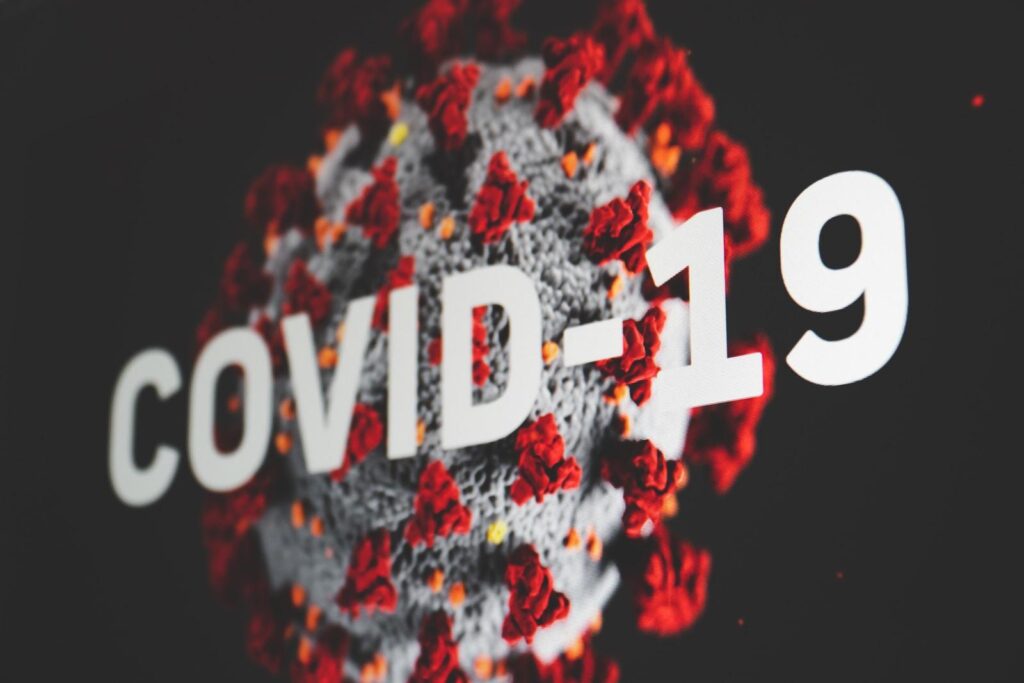
According to a new study published in the journal PLOS ONE, those with a vitamin D deficiency are more likely to develop a severe or critical case of COVID-19.
The research is based on data from the first two coronavirus waves in Israel, which occurred before vaccinations were widely available.
Vitamin supplements aren\’t a replacement for immunizations, but they can help boost immunity levels, according to the researchers.
Study finds over 80 percent of COVID-19 patients have vitamin D deficiency
Another new study published in the Endocrine Society\’s Journal of Clinical Endocrinology & Metabolism, almost 80% of 200 COVID-19 patients in a hospital in Spain exhibited vitamin D deficiency.
Vitamin D is a hormone produced by the kidneys that regulates blood calcium levels and has an impact on the immune system.
Vitamin D insufficiency has been related to a number of health issues, while research into how the hormone affects other body systems is still ongoing.
Many studies show that vitamin D has a positive impact on the immune system, particularly in terms of infection protection.
Vitamin D Deficiency Testing
The vitamin D test uses with a simple, finger-stick blood sample, and fasting prior to the test is not necessary.
Your results will use the measurement of ng/ml, which is nanograms of Vitamin D for each milliliter of blood, and the report will indicate if your vitamin D level is considered abnormal low, normal, or abnormal high. Medical standards dictate that vitamin D levels between 30-100 ng/ml are in the normal range. Abnormal low vitamin D levels are results that are less than 30 ng/ml; abnormal high is anything above 100 ng/ml. Your report will also make a recommendation to follow up with your personal physician if necessary.
Dr. Berg offers a free course on How to Bulletproof your Immune System here
Vitamin D Blood Test Details
The human body uses Vitamin D to build and maintain bones, fight infection, keep the muscles functioning properly, and many other ways that researchers are just now starting to understand. Vitamin D also works in conjunction with magnesium, vitamin K, zinc, and other elements to ensure these elements are absorbed and available to the body. A vitamin D screening is simple and fasting is not required.
Schedule your Vitamin D screening
Essential cookies enable basic functions and are necessary for the proper function of the website.
Name
Description
Duration
Cookie Preferences
This cookie is used to store the user's cookie consent preferences.
30 days
Google reCAPTCHA helps protect websites from spam and abuse by verifying user interactions through challenges.
Name
Description
Duration
_GRECAPTCHA
Google reCAPTCHA sets a necessary cookie (_GRECAPTCHA) when executed for the purpose of providing its risk analysis.
179 days
Statistics cookies collect information anonymously. This information helps us understand how visitors use our website.
SourceBuster is used by WooCommerce for order attribution based on user source.
Name
Description
Duration
sbjs_migrations
Technical data to help with migrations between different versions of the tracking feature
session
sbjs_session
The number of page views in this session and the current page path
30 minutes
sbjs_udata
Information about the visitor’s user agent, such as IP, the browser, and the device type
session
sbjs_first
Traffic origin information for the visitor’s first visit to your store (only applicable if the visitor returns before the session expires)
session
sbjs_current
Traffic origin information for the visitor’s current visit to your store
session
sbjs_first_add
Timestamp, referring URL, and entry page for your visitor’s first visit to your store (only applicable if the visitor returns before the session expires)
session
sbjs_current_add
Timestamp, referring URL, and entry page for your visitor’s current visit to your store